Published: June 22, 2026
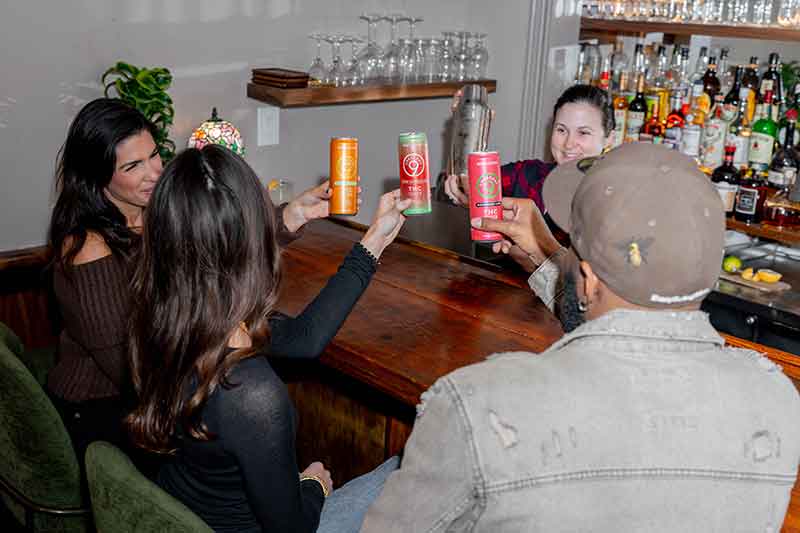
(Photography courtesy of Crescent Canna)
In November 2025, Senator Mitch McConnell tucked a provision into the bill that ended the federal government shutdown. For thousands of breweries across the country, buried in the legislative fine print was something deeply consequential: a ban on hemp-derived THC beverages set to take effect in November 2026.
The ban doesn’t just threaten the hemp industry. It threatens the brewing businesses that have bet on it, the distributors who have built routes around it, and the bars and retailers who now depend on it for revenue.
How Craft Brewers Got Into the Hemp Business
The 2018 Farm Bill legalized cannabinoids federally as long as they were derived from hemp and products contained less than 0.3% Delta-9 THC by dry weight. Brands and breweries got creative fast.
Craft brewers, in particular, were well-positioned to move into this space. They already had the equipment, the relationships, and the production expertise to brew carbonated beverages at scale. And they had a compelling reason to do so: Alcohol sales have been declining. Gen Z drinks less than previous generations. The sober-curious movement has gone mainstream. Bar owners noticed something important: Customers who weren’t drinking alcohol were often buying nothing at all.
Hemp-derived THC beverages have offered a solution to that problem. Bar owners and venue operators have reported that THC drinks let them earn drink purchases from customers who might otherwise have walked out the door without buying anything more than a soda.
At Minneapolis-based Indeed Brewing, THC beverages account for roughly one-quarter of business. At the neighboring Bauhaus Brew Labs, hemp drinks account for 26% of distributed product revenue and 11% of taproom revenue. These are not niche numbers. For operations running on tight margins, those percentages can be the difference between profitability and closure.
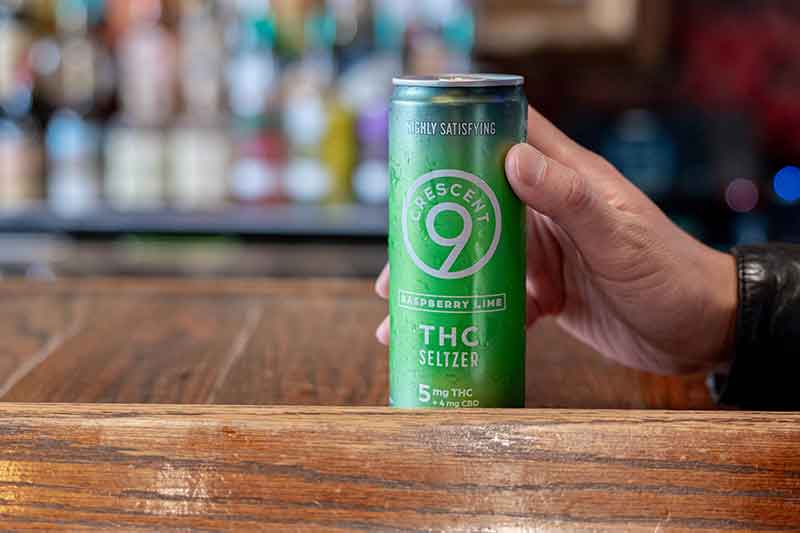
Photography courtesy of Crescent Canna
Return to top
What the Federal Ban Actually Does
The 2026 Appropriations Act provision, inserted by McConnell, prohibits the sale of intoxicating hemp-derived THC products nationwide starting in November 2026. This covers beverages, edibles, and most other products on the legal hemp market.
The practical effect is substantial. Legal experts estimate the ban would destroy a nearly $30 billion industry. Hemp industry analysts estimate that approximately 300,000 jobs are reliant on the hemp market. In 2025, hemp was estimated to represent a $28 billion retail market.
The 2026 Appropriations Act provides no funding for enforcement. So the legal landscape after November 2026 will be uncertain at best. But uncertainty is not a business plan, and most companies can’t afford to invest in a category that may become illegal in a few months.
For craft brewers who have invested in equipment, formulation, and distribution infrastructure around hemp beverages, this uncertainty is already creating financial pain.
Return to top
State-Level Bans: A Preview of What's Coming
Some states didn’t wait for federal action and have already implemented statewide bans or severe restrictions on hemp.
Cincinnati’s Rhinegeist spent two years developing Fuzzy Bones, a hemp-infused beverage, only to have Ohio Gov. Mike DeWine sign an executive order banning intoxicating hemp products on the day of their planned launch. “It was a gut punch,” Rhinegeist CEO Adam Bankovich said. The company had projected that Fuzzy Bones would account for up to 10% of its 2026 revenue. Those plans are now in limbo.
In Washington state, the number of licensed growers fell from 220 to 42 in just a few years following restrictions on intoxicating hemp products. With a federal ban looming, the state’s cannabis program manager expected that number to drop by roughly half again.
Minnesota, which legalized hemp-infused beverages and foods in 2022 for adults 21 and older, built one of the most developed, regulated hemp-THC markets in the country. The Minnesota Craft Brewers Guild, representing 160 breweries and brewpubs, has formally opposed the federal ban, stating it “threatens the successful, regulated, and locally grown hemp-THC market in Minnesota, as well as all of the businesses and consumers that utilize these safe, wanted products.”
The guild’s framing matters. These aren’t unregulated products flying under the radar. In states with mature markets, hemp-derived THC beverages have been age-gated, lab-tested, and sold through licensed channels — the same infrastructure that governs alcohol sales. The argument that these products are inherently more dangerous than alcohol doesn’t hold up under scrutiny, and it’s an argument that craft beverage professionals are increasingly willing to make publicly.
Return to top
The Financial Upside of THC Drinks
Hemp beverages have become a revenue driver for craft producers and on-premise accounts alike.
For on-premise THC beverage accounts, the value proposition is different but equally clear. A customer who doesn’t drink alcohol traditionally represents little beverage revenue. A customer who drinks a hemp seltzer instead is now adding to the night’s tab. That dynamic has been documented by bar operators and venue managers who carry hemp seltzers alongside their existing beverage programs.
Brands like Crescent 9 THC Seltzer are available at breweries, bars, and venues across the country and have seen explosive growth amid rising demand for alcohol alternatives at these establishments. Crescent 9 has sold more than 16 million cans since 2023, with 10 million sold in 2025 alone, reflecting sustained, growing consumer demand.
The appeal to consumers aligns with broader shifts in how adults want to socialize. THC beverage customers consistently describe the experience as more controlled than alcohol, without a hangover, and compatible with the kind of active, social lifestyle that a growing segment of the adult population prefers.
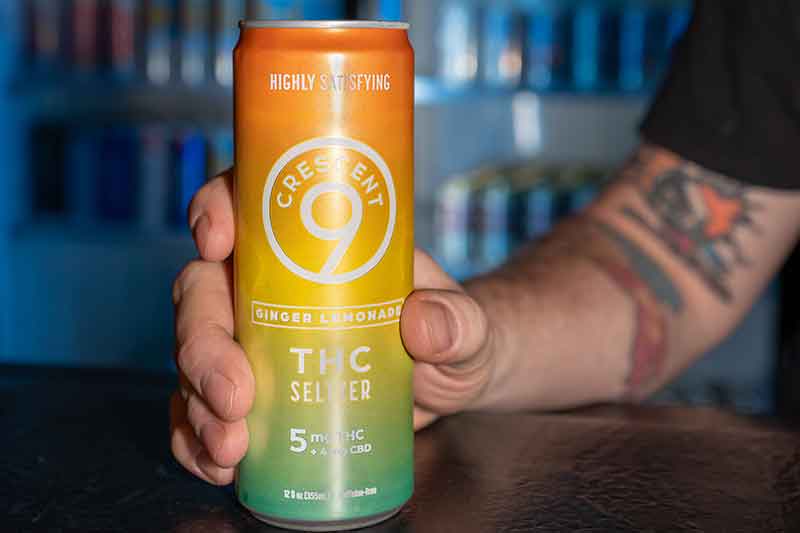
Photography courtesy of Crescent Canna
Return to top
What Craft Producers Should Be Doing Right Now
The hemp industry is fighting back, and craft brewers are part of that fight. Here’s where to focus energy between now and November 2026.
Make your voice heard through trade associations. The Minnesota Craft Brewers Guild is already on record opposing the ban. State-level Brewers Associations carry real legislative weight. If your state guild hasn’t weighed in formally, push them to. Federal provisions like this one aren’t immovable. They were added quickly and can be challenged with organized industry pressure.
Document the economic impact. Legislators respond to data. If hemp beverages represent a real percentage of your revenue, put that number in writing and share it with your state representatives. A coalition of small business owners describing specific financial harm is more persuasive than abstract industry statistics.
Push for a regulatory solution, not just a repeal. The strongest argument for hemp beverages is that they can be regulated responsibly. Proposals that address those concerns directly are more likely to gain traction than blanket opposition to the ban.
Don’t stop investing yet. The ban is set for November 2026, not today. Brands that pull back on hemp beverage development now are set to cede market share to those that don’t. The legal and regulatory environment could shift considerably before November. The proposed restrictions are already generating enormous pushback from small businesses, trade groups, and state legislators who have built regulated markets around these products.
Return to top
Now Is the Time to Act
For the brewers who’ve staked real money on hemp beverages, and for the consumers, distributors, and retailers who’ve made them a regular part of their routines, November 2026 is already breathing down their necks.
Now is the time to act. This industry helped create the hemp beverage category from the ground up. It owes it to itself to fight like hell to keep it.
Return to top
About Partner Provided Content
This content has been provided by one of our many Partners. Partner-provided content is designed to add value and expert insight into all aspects of the brewery and craft beverage industry. The content may contain ads and promotions. The views and opinions expressed in this content are those of the Partner and do not necessarily reflect the views of our company and associated brands.
About The Author
Ollie Team
Content created and curated by the team at Ollie, a Next Glass company.
Our goal is to provide the beer community - especially the creators - with up-to-date industry news, tips, guides, and more! Follow us on social to keep in the know with everything Ollie!